Prepared for prospective Atlanta owners · Team Altitude · September 2026
“This one you can have fun.”
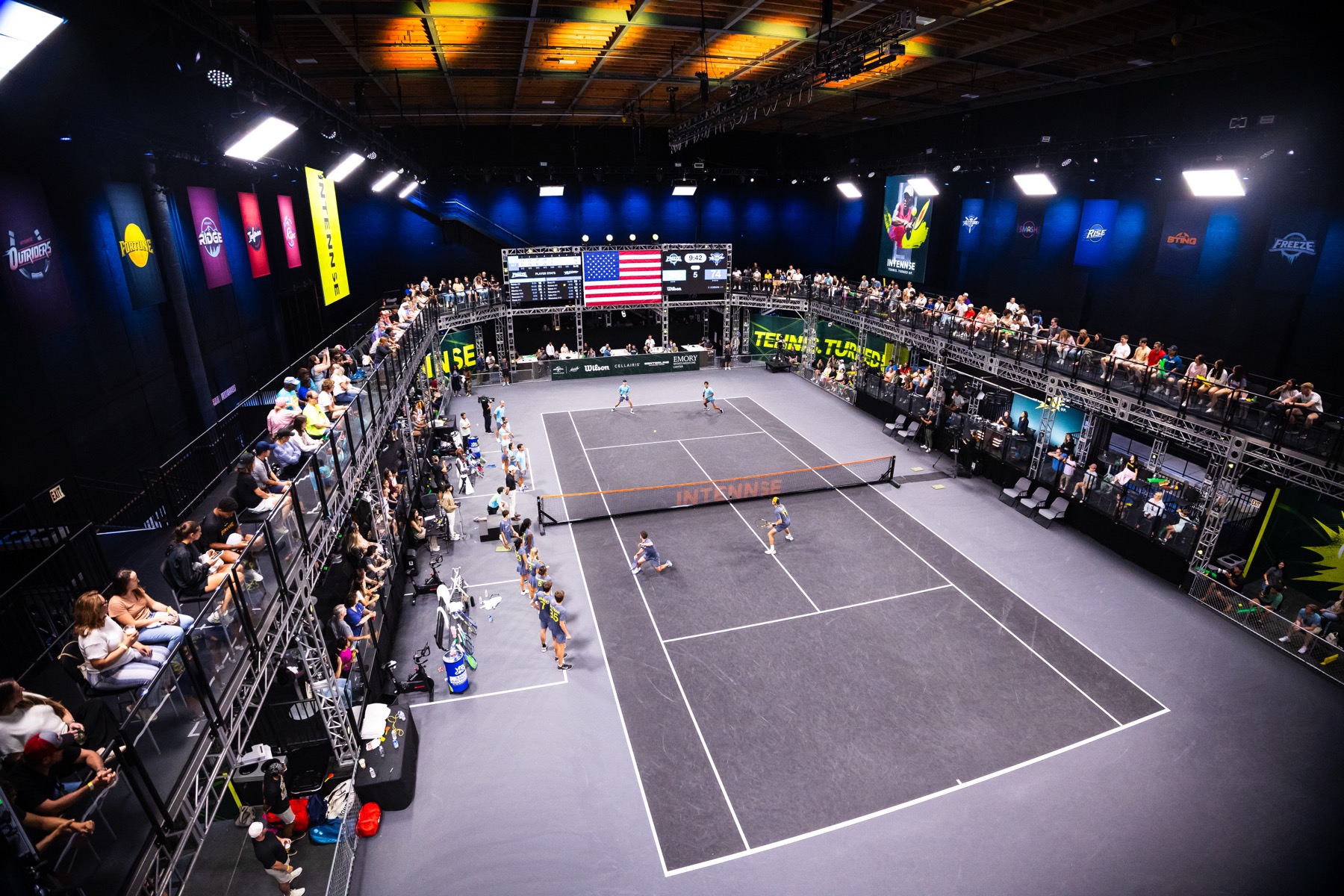
A kid in the stands at INTENNSE Arena, explaining the product better than our deck does. They watch at home with their family. They came to watch their sister play. Every seat in that room was in metro Atlanta.
INTENNSE Arena, Atlanta · 2026 season · Nine sections, about six minutes
In the stands, Atlanta · Season 2
■ The market
The deepest tennis city in America has no professional tennis of its own.
Atlanta runs the largest USTA League program in the country and the largest city tennis league in the world. Its ATP event was retired after 2024. The only professional tennis played here now is ours.
The numbers behind it
ALTA, founded in 1934, counts more than 60,000 members and calls itself the largest city tennis league in the world; by its own figures the average member household earns $138,000. USTA Atlanta oversees the country’s largest USTA League and Junior Team Tennis programs. USTA Southern, the largest of the seventeen sections with more than 160,000 members, is headquartered in Peachtree Corners.
This city already plays team tennis, in huge numbers, every week. What it has never had is a professional team to follow.
Sixth-largest US metro, 2025 Census estimate.
2.76 million TV homes.
■ Team Altitude

Atlanta’s team. Its charter is the one still open.
Eight INTENNSE teams already have a named partner in their ownership. Altitude was built to be Atlanta’s own, and it has been kept for a local group.
The team today
Altitude trains out of Windy Hill Athletic Club in Cobb County. Its head coach, Marcelo Ferreira, directs the club’s high-performance academy after coaching at Pepperdine and Texas Tech, and in 2025 coached Team Atlanta to the INTENNSE title.
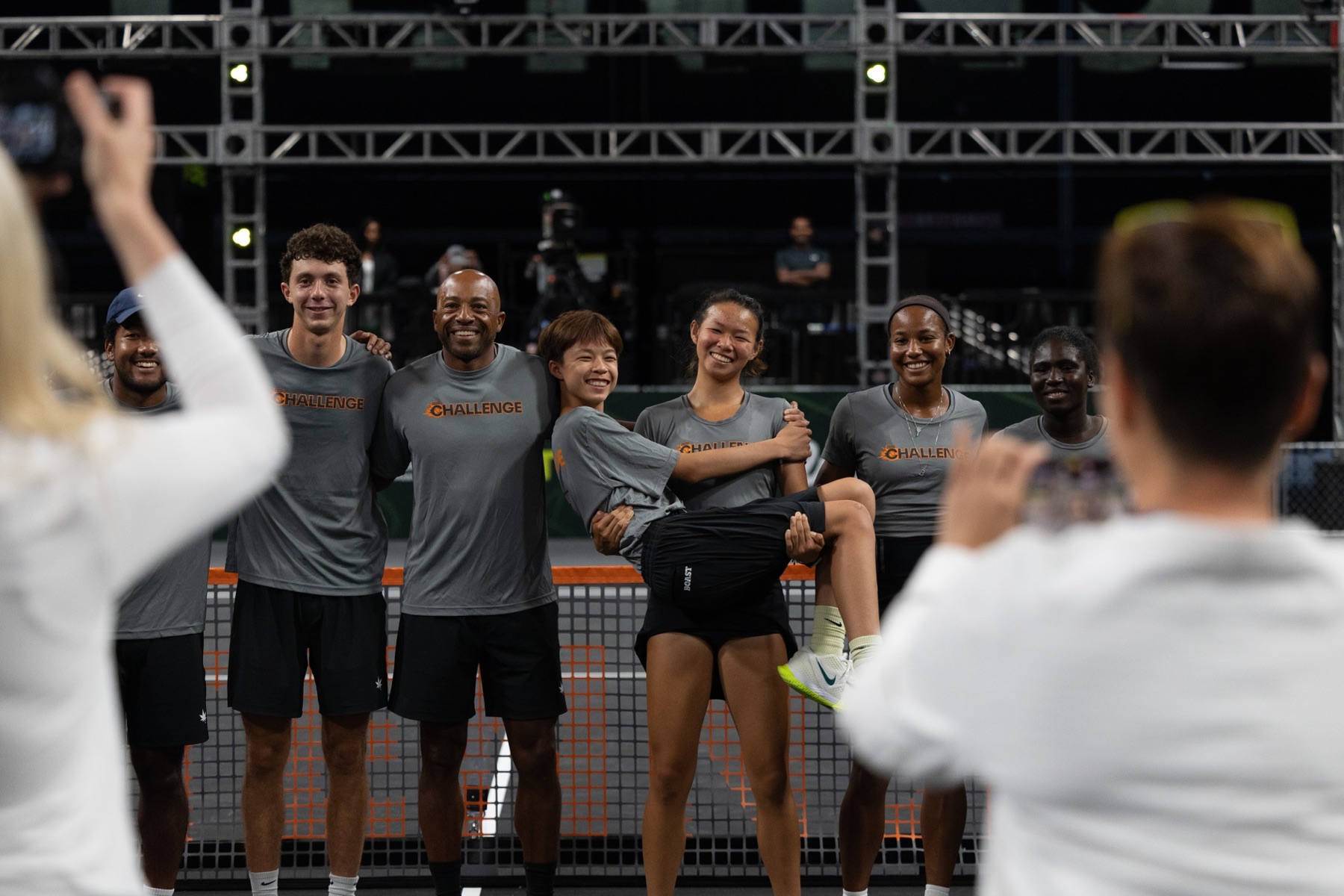
His program is already producing Atlanta’s next players: Sadira Ouyang came through our Challenge Series, and Mason Taube signed with Georgia Tech. Malkia Ngounoue, Ema Burgic and Tyler Stice led the 2026 roster in scoring.
The coach, the home club and the pipeline of local players are already in place. What Altitude doesn’t have yet is an owner from the city it was built for — and every season from here, the team becomes what that group decides to make it.
■ Residency
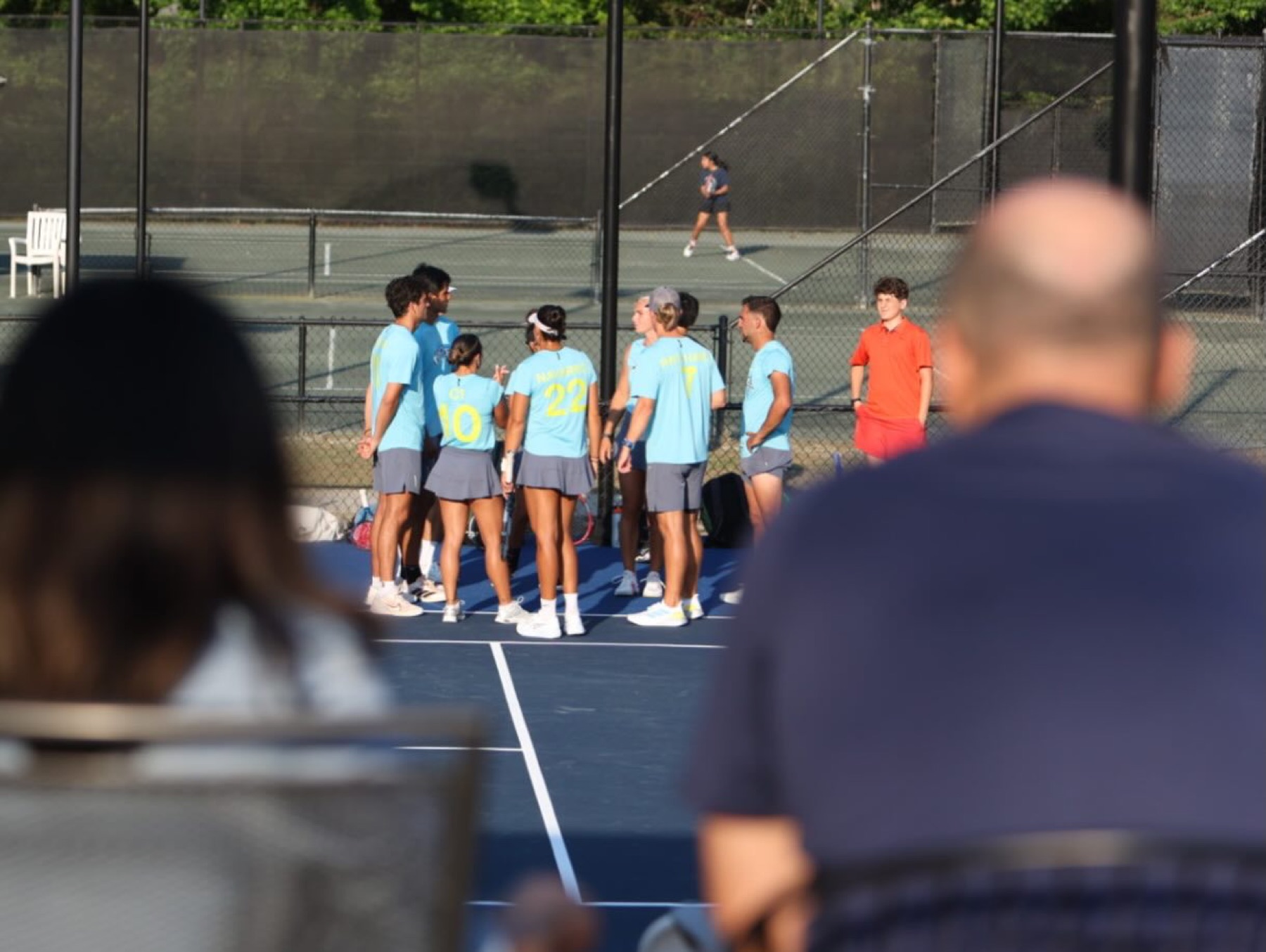
Ten home clubs. All of them in metro Atlanta.
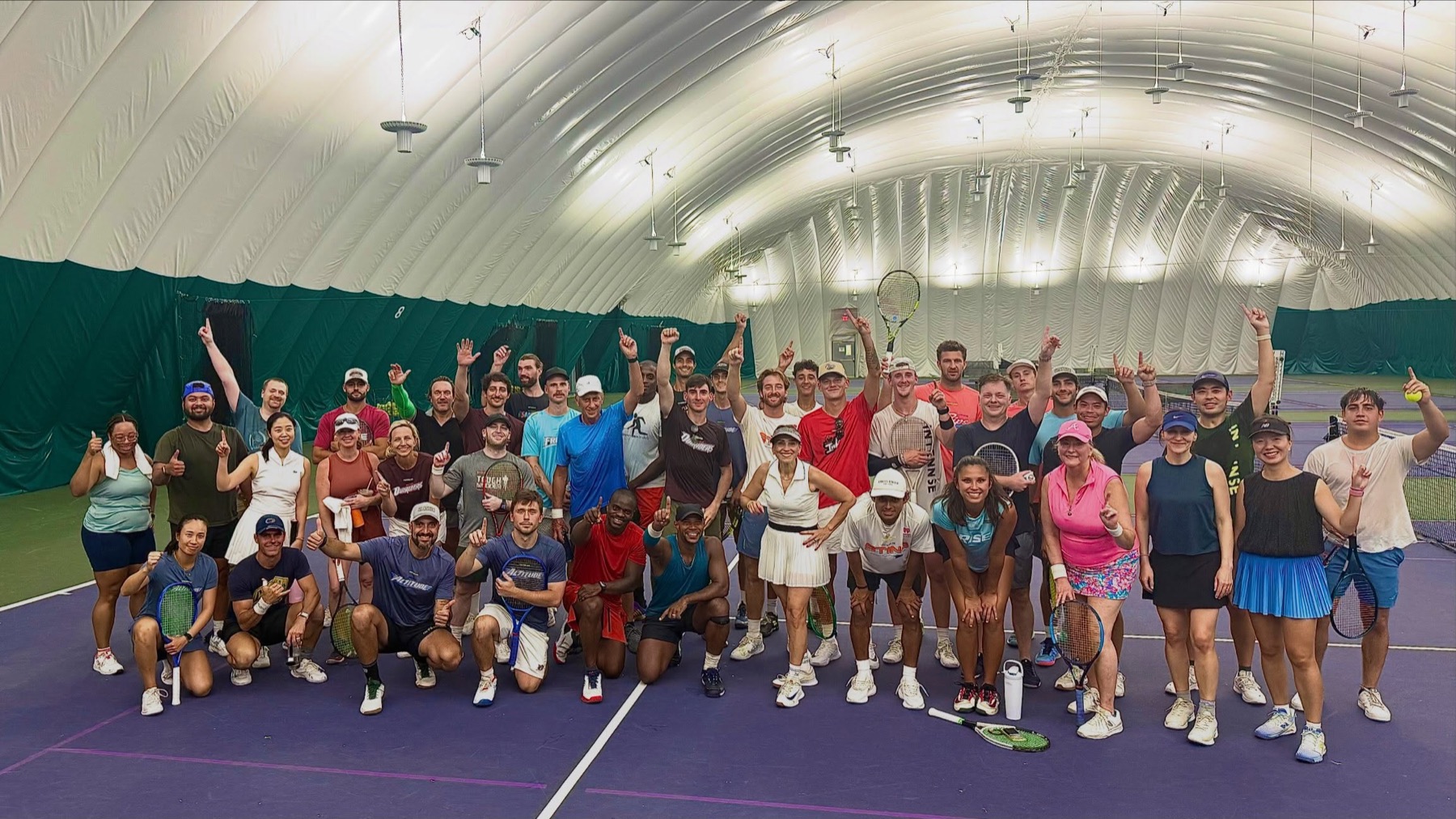
For two seasons every INTENNSE team has lived here, each at a home club it trains in year round alongside the members. By 2028 every team moves to a home market of its own. Altitude’s is this one.
What a resident team changes
A tour arrives in a city, is watched, and leaves. A resident team does the opposite: the professionals and coaches are in the building on ordinary days, next to the juniors on the next court and the adult league on a Wednesday night. Fans attach to people they’ve met, in a place they already go.
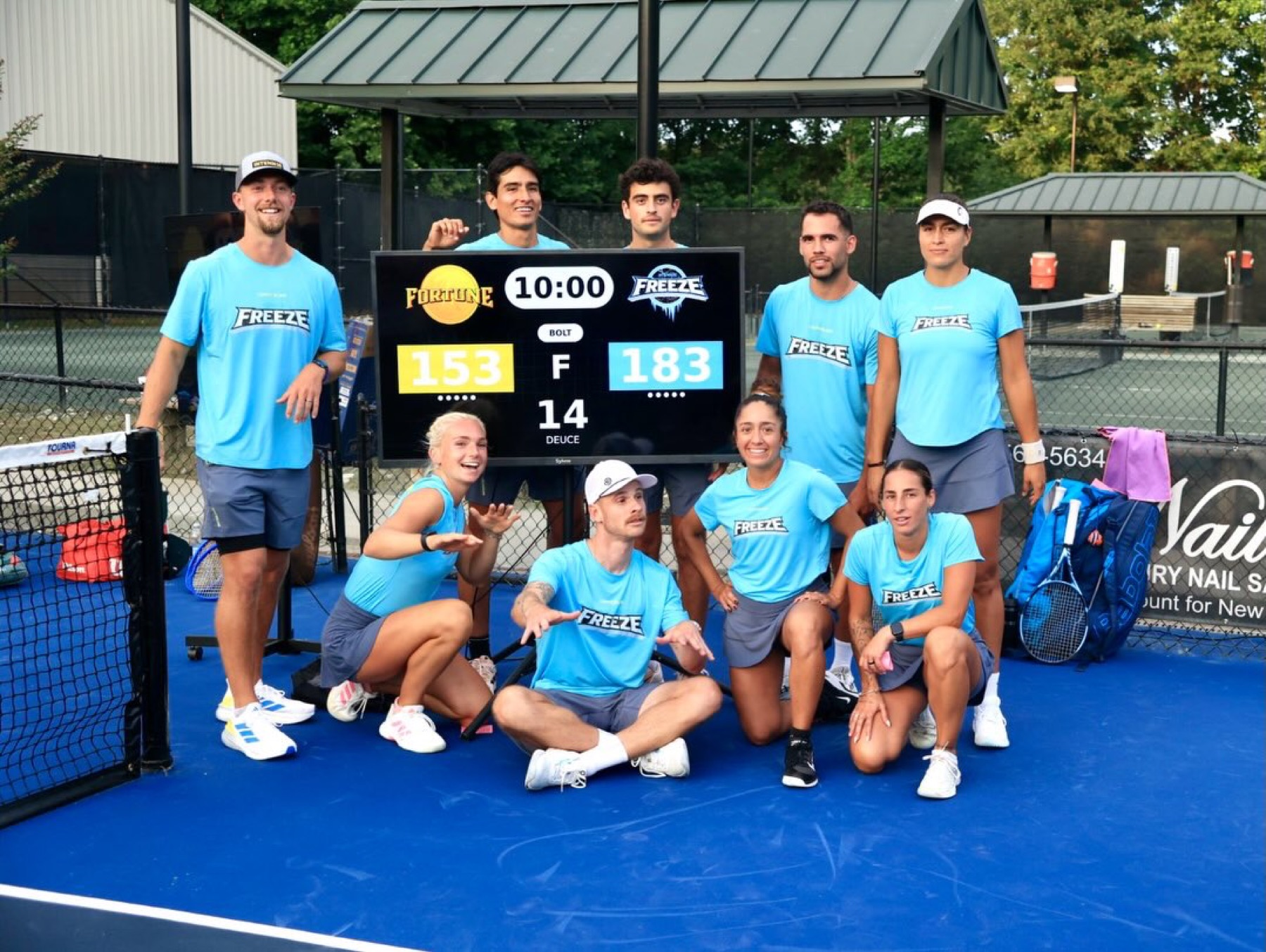
It also means a team doesn’t need a new building. The format runs on club hard courts, in a dome on a weeknight, on public courts with a portable scoreboard. The arena is where we broadcast from; it isn’t what the format requires.
Windy Hill · Castlebrook · Fowler Park · The River Club · Olde Towne · The Manor · Horseshoe Bend · James Creek · Brookfield · Kennesaw
■ What Season 2 did in Atlanta









A season that already sells.
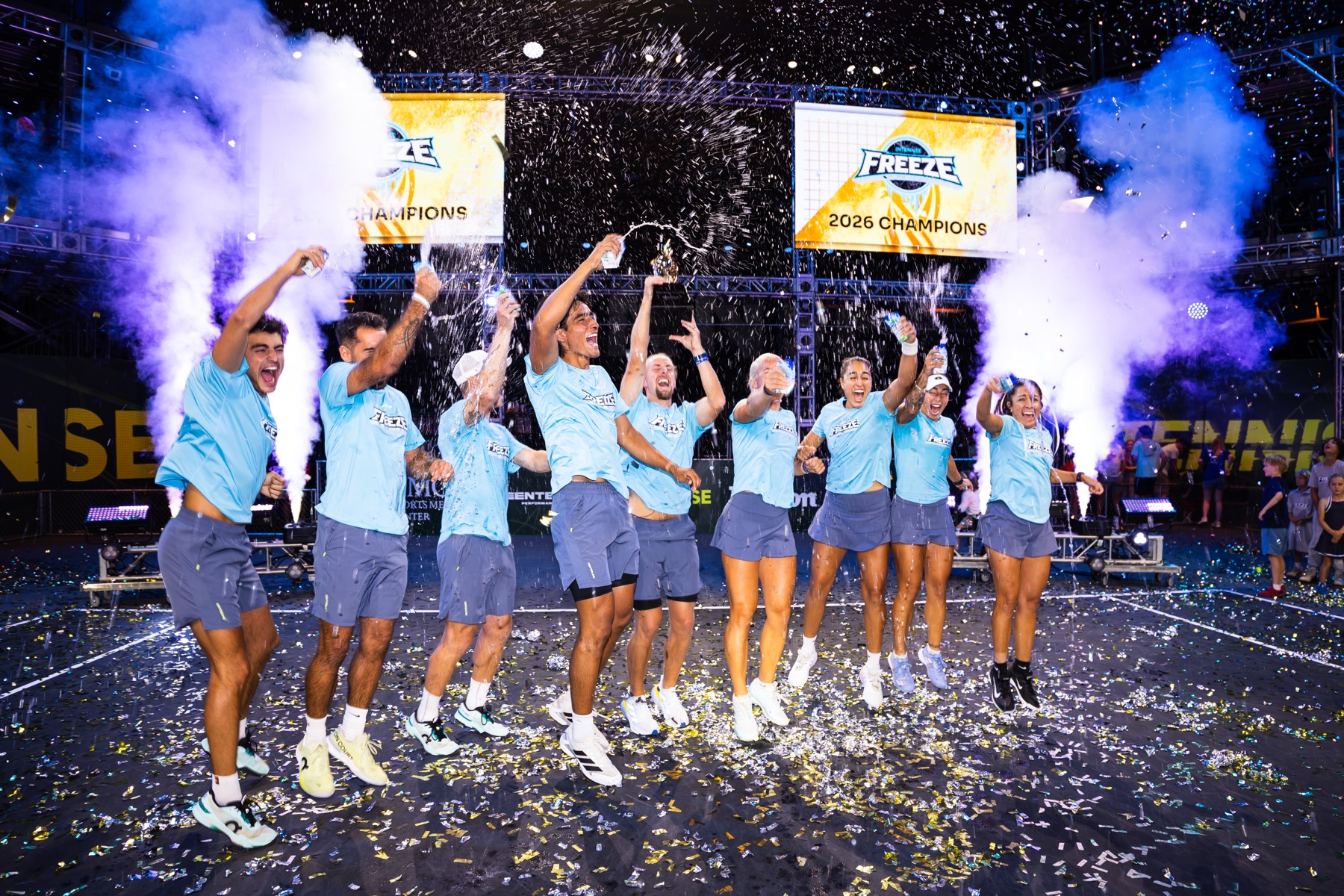
Ten teams, eight weeks, fifty-one matches. Season 2 closed on 1 August with Freeze beating Outriders 137–130 in front of a full house.
The local business
By midseason, attendance was more than four times the year before and had already passed the whole of 2025. Thirteen sponsors signed, twelve of them through relationships already in the city, with Atlanta-based Cellairis as Founding Partner. The average ticket sold for $52, and team merchandise outsold league merchandise.
Eleven community events drew 770 people off the couch and onto a court. Those are the numbers a local owner inherits and builds on.
The Rules of INTENNSE, explained · 2:04
Nearly 8,000 fans through a 500-seat arena.
Average across forty airings on Peachtree; the best single Arc drew 116,000.
Record live concurrents across the final series.
Two broadcast, two RSNs, seven FAST, three streaming — 60% of watch time on TV.
■ Someone inside Atlanta tennis said so first
USTA Atlanta’s executive director coached a roster here, then wrote about it.
“Innovative, fast-paced, co-ed team format challenged our players in new ways while creating an electric atmosphere that brought a fresh energy to the game.”
Amy Bartlett O’Connell · Executive Director, USTA Atlanta · 31 July 2026
What else she said
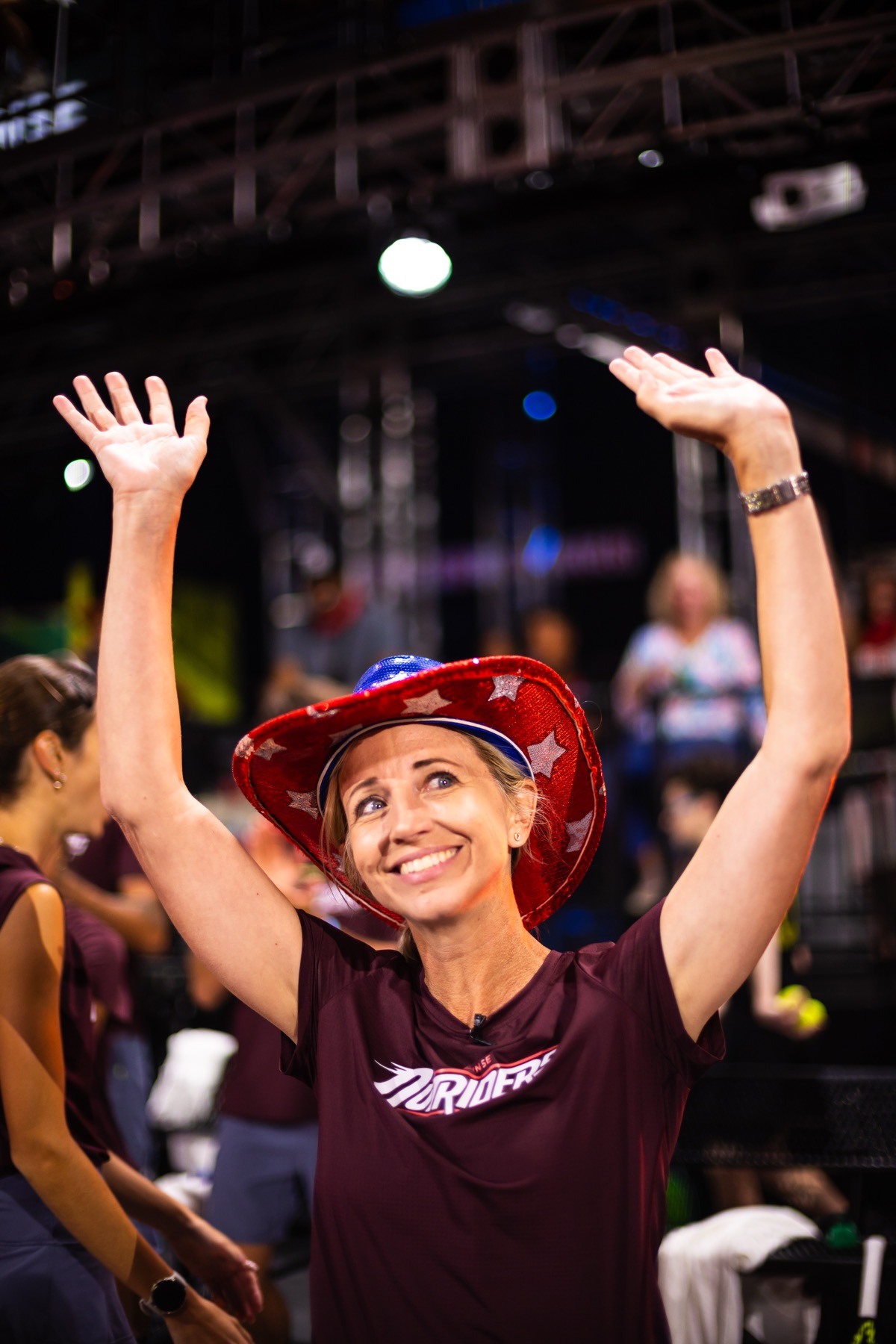
She coached eight INTENNSE athletes through the 2026 season with the Outriders, and wrote about it on her own feed on Championship Weekend. We didn’t commission it and we didn’t pay for it.
On the people behind it: “I also continue to be amazed at the talented staff that Intennse has put together… It is a remarkable team that believes in the product and have fun while doing what they love.”
And she closed with: “I truly believe we’re only seeing the beginning of INTENNSE.”
■ What an owner holds
A ten-year charter for the Atlanta territory.
Owners hold an exclusive Team Charter: MLS-style, geographically bound economic rights, not a traditional franchise. Ten years, renewing in five-year terms.
The league keeps
- Game
- Format, rules, schedule, officiating
- Brand
- League marks and national sponsorship
- Rights
- Media and data rights
The owner holds
- Team
- Operations and team marks in the territory
- Revenue
- Local sponsorship, ticketing, hospitality, activations
- Share
- Team merchandise, and a share of pooled league revenue
2026–27
The league operates the team and secures venues while the owner learns the business from inside it.
2028
Operations transfer. The owner appoints a GM, takes ticketing, hospitality and venue, and inherits a community playbook proven over three years in Atlanta.
2029 on
Scale — and a share of the fees from every charter the league sells after the initial offering.
How the economics are built
The owner keeps the large majority of the revenue the team earns locally. Separately, a share of league revenue is pooled and distributed across the teams, so an owner participates in the league’s growth as well as the team’s. From 2029, owners also share in expansion fees as the league adds cities: ten teams in 2027, a home market for every team by 2028, and a market we believe will carry thirty or more teams by 2035.
We’ll be straightforward about what kind of investment this is. It is a franchise-value investment first, and the operating model takes several seasons to turn cash-positive. We’ll walk you through that model, line by line, in the room rather than on a page.
■ What early looks like
The first owners in a league buy the cheapest seats it will ever sell.
That is the pattern in every emerging league that lasted. Atlanta has watched it happen once already.
What we are not claiming
Not every new league lasts, and nothing about the ones that did is a promise about this one. In Major League Pickleball, teams that changed hands for around $100,000 in 2021 were valued near $10 million two years later; other ventures of the same era are gone.
The argument is only this. If team tennis becomes a real league in America, the charters sold before 2029 will have been the cheap ones. We think Season 2 is the evidence that it will.
■ Who you would be building with
The people behind the league.
■ Pulse Partners, by team
■ Why we sent this
We’re looking for Atlanta’s owners.
A local group for Altitude: people who already know this city’s tennis, and want the team that stays in it.
Where an hour could lead
We’ll bring the charter, the model and the transition plan, and answer every question about them. If it’s worth a second hour, we’d rather it were at Windy Hill with Marcelo than in a conference room.
The charter
Terms, territory and the path from league-operated to owner-operated, walked through in full.
The model
Revenue lines, breakeven and the years to cash-positive — the numbers we left off this page on purpose.
The team
An afternoon at the home club, with the coach and the players, before Season 3.